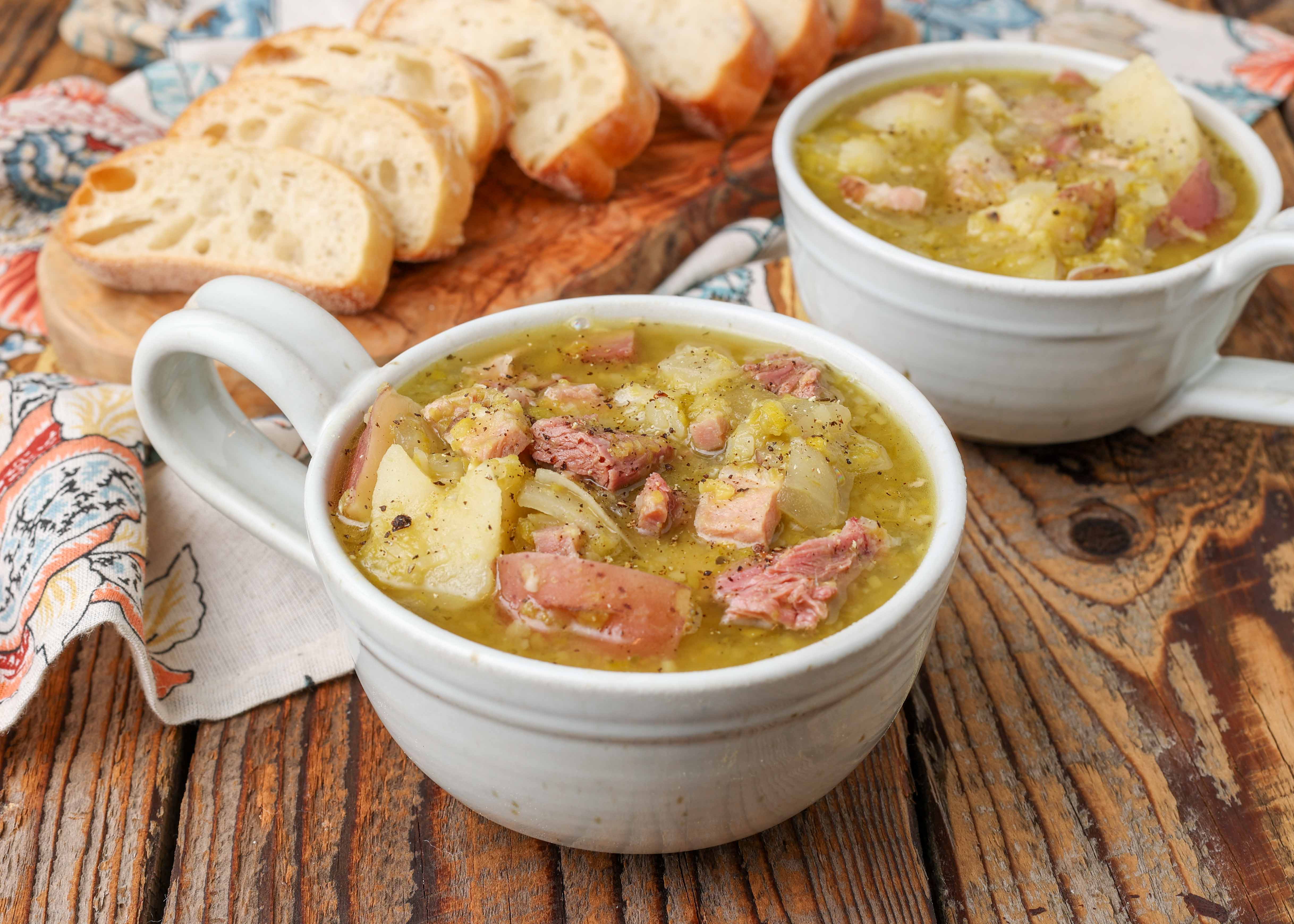
Mastering Split Pea, Ham & Leek Soup: Tips for Rich Flavor
Few dishes evoke the warmth and comfort of home quite like a hearty bowl of soup, and when it comes to truly satisfying fare, a well-made split pea potato ham and leek soup in a rich broth stands out. This classic concoction, a staple in kitchens worldwide, perfectly marries the earthy sweetness of split peas with the smoky depth of ham, the gentle allium bite of leeks, and the comforting creaminess of potatoes. Far from a simple throw-together meal, mastering this soup involves understanding the interplay of its core ingredients and applying a few key techniques to unlock its full flavor potential. Let's delve into the secrets of creating a truly unforgettable bowl.The Foundation of Flavor: Essential Ingredients & Their Role
Crafting a magnificent split pea potato ham and leek soup in starts with selecting and preparing the right components. Each ingredient plays a crucial part in building the soup's characteristic taste and texture.- Split Peas: The Heart of the Soup
The backbone of this dish, split peas transform from firm legumes into a creamy, comforting base. While green split peas are most common, offering a vibrant color and distinct earthy flavor, yellow split peas provide a milder taste and often lead to an even creamier consistency. Always remember to rinse your split peas thoroughly under cold water to remove any debris before cooking. While not strictly necessary, a quick overnight soak can sometimes reduce cooking time and potentially aid digestion, though modern split peas cook down beautifully without it. - Ham: Smoky Depth and Savory Chunks
The ham is arguably the star protein, infusing the entire soup with its smoky, savory essence. For the deepest flavor, consider using a smoked ham hock or a leftover bone-in ham bone from a holiday meal. Simmering these with your broth for an extended period extracts maximum flavor. If using diced ham steak or leftover holiday ham, add it towards the end of the cooking process to maintain its texture and prevent it from becoming overly tough. Remember to trim any excessive fat to avoid a greasy soup. - Leeks: Aromatic Sweetness
Often overlooked, leeks contribute a delicate, onion-like sweetness that is milder and more refined than traditional onions. Their subtle flavor complements the other ingredients without overpowering them. When preparing leeks, slice them lengthwise, then chop into half-moons. Be sure to rinse them thoroughly under cold running water, fanning out the layers, as dirt and grit often hide between their rings. - Potatoes: Creaminess and Substance
Potatoes add a wonderful creaminess and body to the soup, along with essential bulk. Russet or Yukon Gold potatoes are excellent choices as they break down slightly during cooking, contributing to the soup's velvety texture. Peel and dice them into uniform pieces to ensure even cooking. - Aromatics and Herbs: Building Layers
Don't underestimate the power of carrots, celery, and garlic. Sautéing these diced vegetables (often called a mirepoix, with leeks replacing onions here) at the beginning of the cooking process creates a foundational layer of flavor. Dried thyme and bay leaves are classic companions, adding a fragrant, herbaceous note that ties all the ingredients together.
Crafting Culinary Depth: Mastering the Cooking Process
Whether you opt for the slow cooker or stovetop method, attention to detail in the cooking process is key to a truly rich and flavorful soup. For a complete guide to various methods, including a Hearty Split Pea Soup: Slow Cooker or Stovetop Ham & Potato Recipe, explore dedicated recipes.The Stovetop Method: Building Flavor Step-by-Step
- Sautéing Aromatics: Begin by gently sautéing your diced carrots, celery, leeks, and minced garlic in a touch of olive oil or rendered ham fat. This step, known as sweating the vegetables, softens them and unlocks their sweetness, creating a complex flavor base before any liquid is added.
- Deglazing (Optional but Recommended): If using a ham hock or bone, searing it briefly before adding liquid can enhance its smoky notes. Deglaze the pot with a splash of chicken broth or even a dry white wine to scrape up any flavorful browned bits from the bottom – this is pure liquid gold for your soup!
- Simmering for Perfection: Combine the rinsed split peas, potatoes, ham (if not a hock), sautéed aromatics, dried thyme, and bay leaves with chicken broth in a large pot. Bring to a boil, then reduce heat to a gentle simmer. Cook for 2-3 hours, or until the split peas are completely tender and have started to break down. The longer, slower simmer allows the flavors to meld beautifully. If using a ham hock, remove it once the meat is falling off the bone, shred the meat, and discard the bone and excess fat, then return the shredded ham to the pot.
The Slow Cooker Method: Effortless Deep Flavor
For those busy days, the slow cooker is an invaluable tool for making a deeply flavorful split pea potato ham and leek soup in. While you can simply dump all ingredients in, taking a few extra minutes for an initial sauté can make a significant difference.
- Pre-Sauté (Highly Recommended): Even with a slow cooker, briefly sautéing the carrots, celery, leeks, and garlic in a pan before adding them to the slow cooker will deepen their flavor significantly. This caramelization adds a depth that passive cooking alone can't achieve.
- Combine and Cook: Add all ingredients – split peas, potatoes, ham (or hock), sautéed aromatics, thyme, bay leaves, and chicken broth – to your slow cooker.
- Low and Slow: Cook on low heat for 6-8 hours, or on high for 3-4 hours, until the split peas are tender and the ham (if a hock) is falling apart. This method requires minimal supervision and yields an incredibly tender and flavorful soup.
Achieving Perfect Consistency and Serving
Once your ingredients are tender and fragrant, the final steps involve refining the soup's texture and enhancing its presentation.Texture Transformation: To Puree or Not to Puree?
The beauty of split pea potato ham and leek soup in is its versatility in texture. After removing the bay leaves:
- Smooth and Velvety: For a classic, creamy split pea soup, use an immersion blender to puree the entire contents of the pot until smooth. If using a regular blender, work in batches, filling the blender only halfway and holding the lid securely (steam can build pressure).
- Hearty and Chunky: If you prefer some texture, puree only about half of the soup, leaving some chunks of potatoes, ham, and vegetables. This creates a wonderfully rustic and satisfying consistency.
Adjusting Thickness: If the soup is too thick for your liking, simply add a bit more chicken broth or water until it reaches your desired consistency. Conversely, if it's too thin, a longer simmer (uncovered) will allow some liquid to evaporate, or you can puree more of the potatoes and peas to thicken it naturally.
Seasoning is Key: Taste your soup before adding salt, especially if you've used a salty ham or broth. Season generously with freshly ground black pepper and additional salt as needed. A splash of apple cider vinegar or lemon juice at the end can brighten the flavors beautifully.
Serving Suggestions: Serve your piping hot soup with crusty bread for dipping. Elevate the experience with garnishes like fresh parsley, a swirl of crème fraîche or plain yogurt, crispy croutons, or a sprinkle of grated Parmesan cheese. For more ways to make this dish your own, check out our guide on Hearty Split Pea, Ham & Leek Soup: Your Go-To Comfort Recipe.
Beyond the Bowl: Variations and Expert Tips
This adaptable soup lends itself well to customization.- Vegetable Boost: Feel free to add other vegetables like diced sweet potato for extra sweetness, or spinach in the last few minutes for a nutritional boost.
- Herb Variations: Experiment with different herbs. A sprig of fresh rosemary or a pinch of sage can add a different dimension to the flavor profile.
- Spice It Up: A dash of smoked paprika or a pinch of red pepper flakes can introduce a subtle warmth and complexity.
- Storage: Leftover soup stores wonderfully. Keep it in an airtight container in the refrigerator for up to 3-4 days. It often tastes even better the next day as the flavors continue to meld.
- Freezing: This soup freezes exceptionally well. Allow it to cool completely before transferring to freezer-safe containers. It can be stored for up to 3 months. Thaw overnight in the refrigerator and reheat gently on the stovetop or in the microwave.
